
Select your language
History
of
Montsant
The hotel's location, next to the road leading from the town to the castle, made Montsant a privileged place in the history of Xàtiva throughout the centuries.
Antiquity 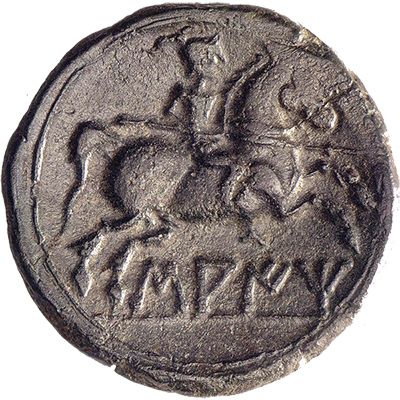 8th–7th centuries BC
8th–7th centuries BC
The earliest traces of urban settlement in the city of Xàtiva date back to the Bronze Age. During the Iberian period, the city of Saetabi minted its own coins and achieved great strategic and commercial importance. Under Roman rule, Sætabis became a municipality of the Empire, renowned for its linen production, as mentioned by the writer Catullus in his poems.
Visigothic Rule 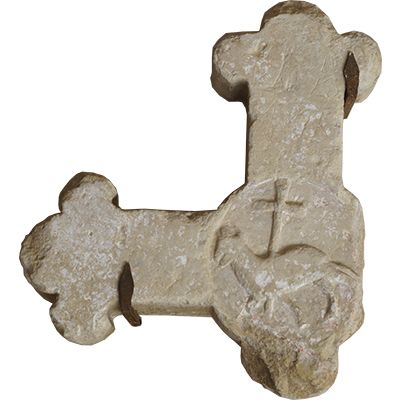 5th–8th centuries
5th–8th centuries
During this period the city held episcopal status. The Visigothic cathedral stood where the Hermitage of Sant Feliu is located today. The Acts of the Councils of Toledo record the participation of several bishops from Xàtiva. The Municipal Museum preserves a Roman altar later Christianised with the consecration inscription of Bishop Athanasius, as well as a cross bearing a relief of the Agnus Dei.
Islamic Period 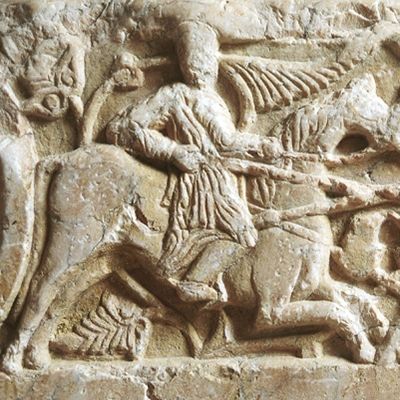 8th–13th centuries
8th–13th centuries
During the Islamic period, Xàtiva was an important city of Al-Andalus. A significant part of the surviving city walls dates from this period. At the end of the Caliphate, the Córdoba-born writer Ibn Hazm took refuge in the city, where he wrote "The Ring of the Dove: A Treatise on Love and Lovers." At that time, Montsant was a complex of buildings and gardens where the city's political authority resided.
Royal Palace 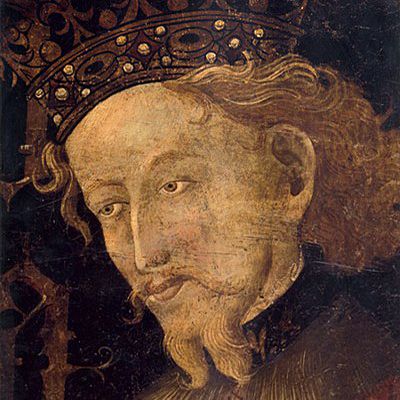 14th century
14th century
James I, who conquered the city in the 13th century, established the royal residence of Xàtiva at Montsant. The king and his successors Peter II, Alfonso II and James II retained Montsant as royal property. For several years it served as the palace residence of the exiled Byzantine princess Eudoxia Laskarina. During this early Christian period, the large cistern that still survives today was built.
The Monastery 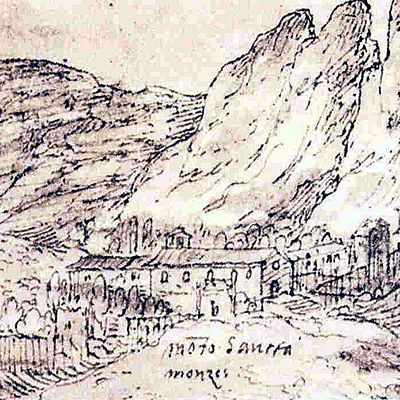 15th century
15th century
At the beginning of the 14th century, King James II founded a Cistercian convent for nuns at Montsant. The church, cloister, chapter house and several other buildings were constructed. In the 16th century, major Renaissance-style renovations were carried out. After the Council of Trent, the nuns were expelled from the monastery and replaced by monks from the nearby Cistercian monastery of Valldigna.
The Borja Family 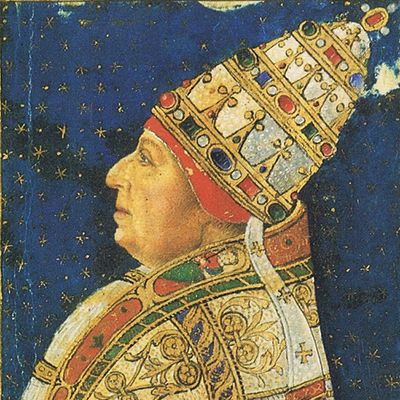 15th–16th centuries
15th–16th centuries
During the late Middle Ages, in the 15th century, the Kingdom of Valencia experienced a period of prosperity in every field: economic, artistic and literary. Churchmen from a local family, the Borjas, were twice crowned with the Papal Tiara as Popes Callixtus III and Alexander VI. Alexander purchased the Duchy of Gandia from the Crown for his children, and the family later produced another outstanding figure: Saint Francis Borgia.
Philip V 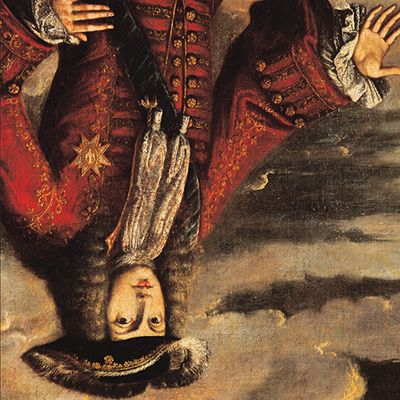 1707
1707
1707
In 1700 King Charles II died without an heir, and the Kingdom of Valencia became involved in the War of the Spanish Succession, a conflict that drew in the major European powers. Aragon, England, Holland, Austria and Portugal supported the cause of Archduke Charles of Austria, while Castile and France backed Philip of Anjou. The Battle of Almansa in 1707 brought defeat for Charles's supporters in Valencian lands. As punishment, Xàtiva was besieged, stormed, looted and burned by Philip V's troops. The king later renamed the town "New Colony of San Felipe." The Kingdom of Valencia lost its parliament, its laws, its currency and the official use of its language. The Municipal Museum preserves Philip V's official portrait hanging upside down. The painting has remained this way since the 1950s as a symbolic act of protest against the destruction of the city.
Barracks and Confiscation 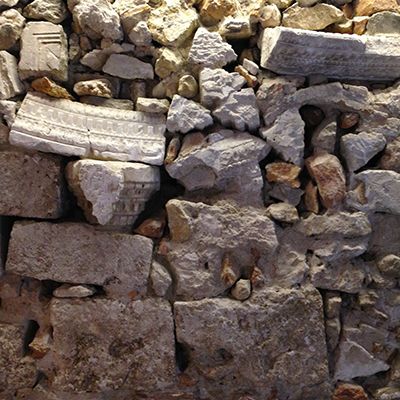 19th century
19th century
The Monastery of Montsant was occupied by military forces during the War of the Spanish Succession and the Napoleonic occupation. In 1820 the Spanish state carried out an initial confiscation of Church property, which Minister Mendizábal made permanent in 1835. The monastery was then used as a refuge for widows and the poor before being sold to private owners in 1855, when the church and cloister were demolished.
Country House 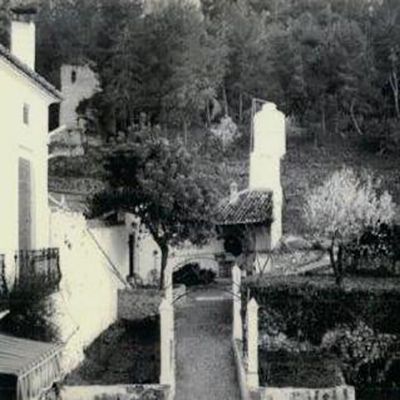 20th century
20th century
Following Mendizábal's confiscation, Montsant became private property. The monastery was demolished so that its building materials could be sold, while the walls of the outer wing were reused to build a country house. For more than a century the building served as a private residence. It belonged to the grandfather of the writer Juan Gil-Albert from Alcoy, who spent his childhood summers here. The layout of the present-day gardens dates from this period.
The Hotel 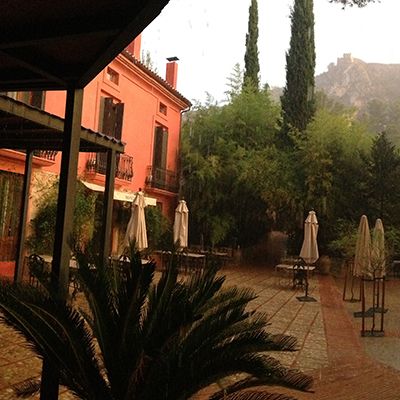 Present Day
Present Day
Following a careful restoration that respected the building's historic features, Montsant reopened as a hotel in 1994. In 2009 it was acquired by INELCOM S.A., a company dedicated to the design and manufacture of electronic equipment and energy efficiency solutions.